


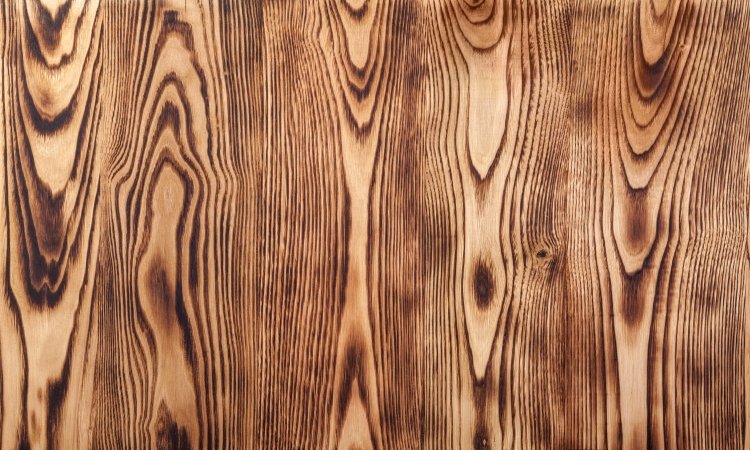
Chestnut wood is a popular material for walking canes due to its versatility and natural beauty. It can be stained or treated to achieve a wide range of colors and finishes. Even in its untreated, natural state, chestnut creates a visually appealing walking cane that collectors and users alike appreciate.
Strength and Durability of Chestnut Walking Canes
Chestnut belongs to the same family as oak trees and is known for its impressive strength, especially when harvested young. The wood contains a dense, naturally preservative tannin, which helps chestnut canes maintain their shape and structural integrity even in challenging weather conditions.
- Durability: The tannin in chestnut wood is so strong it can gradually erode iron and steel, which is why chestnut canes are typically paired with brass, copper, silver, or other decorative metals instead.
- Historical use: Chestnut has been used for centuries in the construction of notable historical sites in England, highlighting its reputation for strength and longevity.
Many chestnut canes showcase the wood’s ability to be finished in ways that preserve a natural, rustic appearance.
Chestnut as a Decorative Wood
Chestnut is valued for its tight, fine grain, which allows it to be milled or lathed into smooth, beautifully sanded pieces. This makes chestnut a preferred choice for walking cane manufacturers.
- Easy to finish: Chestnut sands easily, resulting in a finish that is often smoother and silkier than other common cane materials.
- Visual appeal: The wood’s grain and color variations make each cane unique and attractive.
For example, chestnut walking canes are well-known for their smooth finish and tactile comfort.
Chestnut as a Renewable Resource
Chestnut is an environmentally friendly wood choice, often grown in managed plantations for timber and finished wood products. Its peak strength is reached when the wood is young and rich in tannin, allowing for rapid harvesting and replanting cycles.
- Fast growth: Chestnut trees reach optimal size quickly, making them a sustainable option for wood production.
- Reduced deforestation: The rapid replenishment of chestnut plantations helps minimize the need for clear-cutting old-growth forests.
With so many advantages, it is surprising that chestnut walking canes are not even more popular in 2026. Do you use a chestnut cane? Share your experience on our Facebook Page!
Frequently Asked Questions
What makes chestnut wood a good choice for walking canes?
Chestnut wood is strong, durable, and naturally resistant to weather due to its high tannin content. Its fine grain allows for a smooth, attractive finish, making it both functional and visually appealing for walking canes.
How does chestnut compare to other woods like oak for cane making?
Chestnut is similar to oak in strength and durability but is often easier to sand and finish. Its natural preservative properties and unique grain patterns make it a preferred material for decorative and collectible canes.
Is chestnut a sustainable wood option in 2026?
Yes, chestnut is typically grown in plantations where it is harvested and replanted rapidly. This sustainable practice reduces the impact on old-growth forests and supports eco-friendly wood production.
Why are chestnut canes often paired with metals like brass or copper?
The tannins in chestnut wood can corrode iron and steel over time. For this reason, chestnut walking canes are usually fitted with brass, copper, silver, or other decorative metals that are more resistant to tannin-related corrosion.
Where can I find high-quality chestnut walking canes?
You can explore a selection of chestnut walking canes from reputable manufacturers online, including the Harvy Brand collection.
Alex Torres
Contributor at Fashionable Canes, providing expert advice and style inspiration.


